Neurosurgery
Neurosurgery is a highly specialized branch of medicine focused on the diagnosis and surgical treatment of conditions affecting the brain, spine, and nervous system. Neurosurgeons are trained to perform complex procedures that address disorders such as brain tumors, spinal cord injuries, herniated discs, epilepsy, aneurysms, and nerve compression. These life-saving interventions are carried out with precision, often using state-of-the-art technology to ensure the safest outcomes.
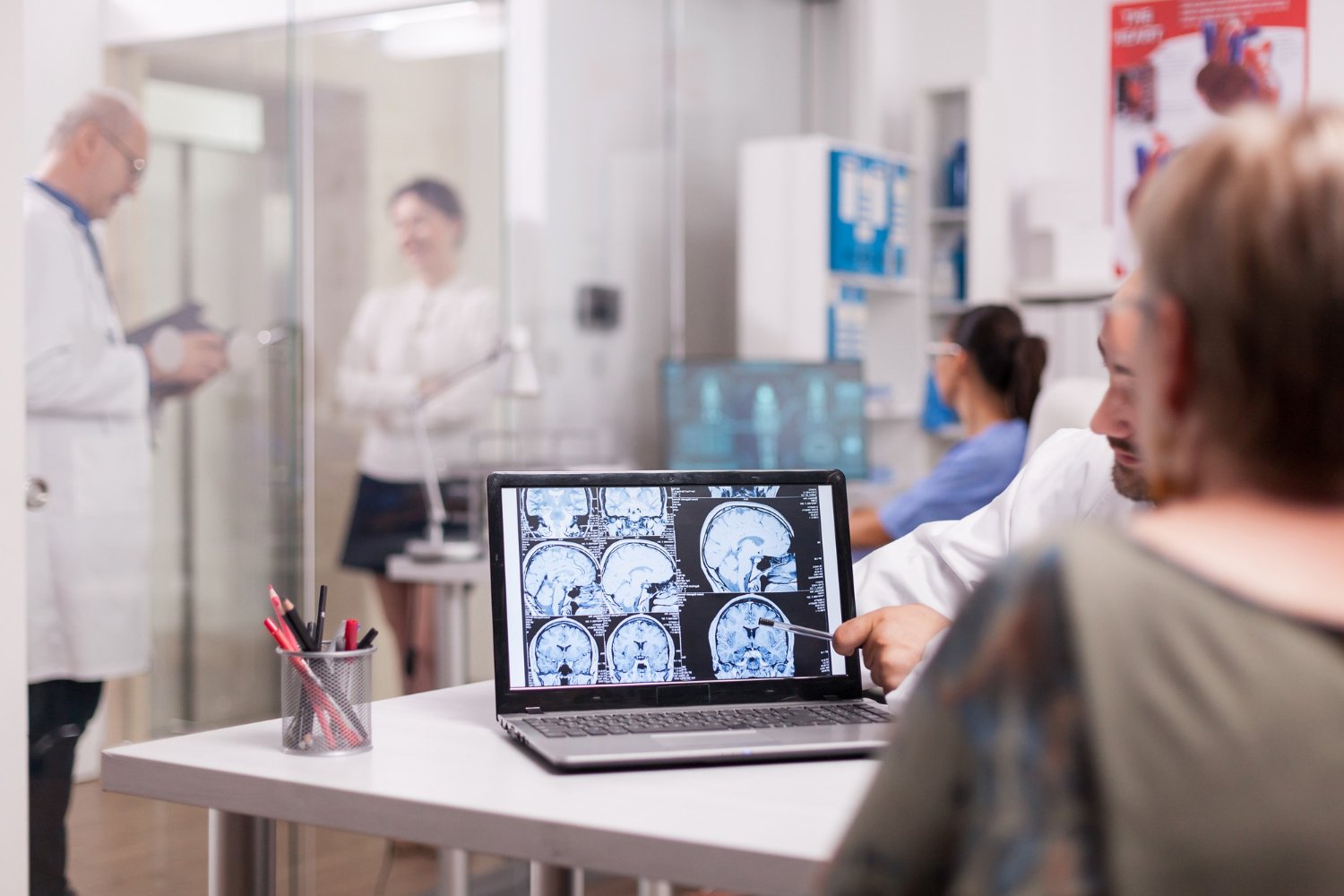
Modern neurosurgery combines advanced imaging techniques, minimally invasive methods, and intraoperative monitoring to enhance surgical accuracy and reduce recovery time. Whether it’s performing delicate brain surgery or spinal decompression, neurosurgeons work in collaboration with neurologists, radiologists, and rehabilitation specialists to provide comprehensive and personalized care. Each treatment plan is tailored to the patient’s condition, age, and overall health to maximize recovery and preserve neurological function.
More Details
Beyond emergency interventions, neurosurgery also plays a critical role in improving quality of life for patients with chronic neurological issues. From relieving debilitating back pain to treating movement disorders, neurosurgical care helps restore mobility, function, and independence. With innovation, skill, and compassion at its core, neurosurgery stands as a pillar of modern medicine in managing complex neurological challenges.